Mastering Your Speed Pour with Professional Liquor Pourers
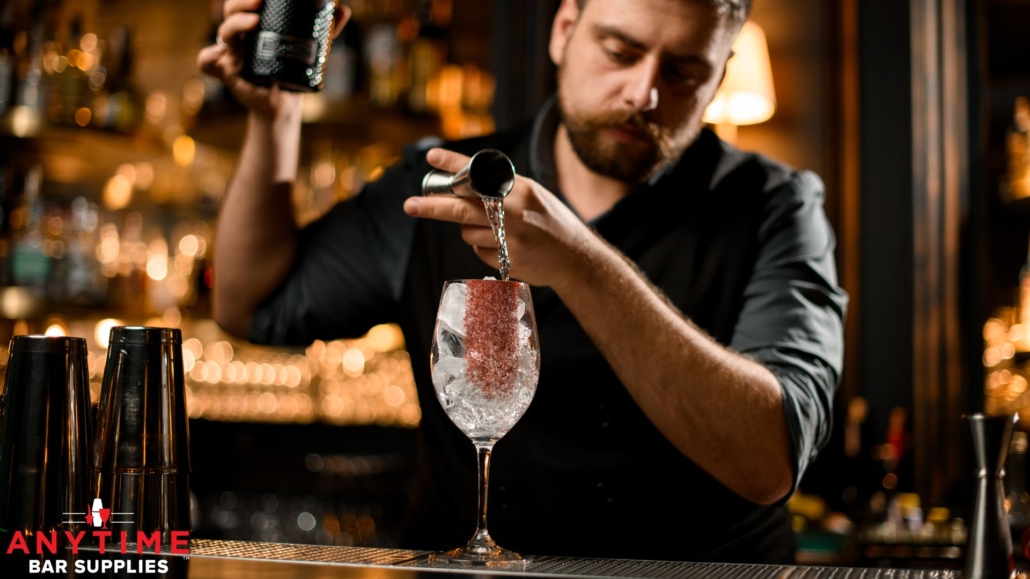
In a high-volume bar, time is the most valuable currency. But speed without accuracy is just waste. If you’ve ever watched a seasoned bartender move through a rush with effortless grace, you’ve witnessed the power of the speed pour.
At Anytime Bar Supplies, we provide the professional liquor pourers that make this precision possible. In this guide, we’ll break down the mechanics of the perfect pour and how to calibrate your internal clock.
Why the Speed Pourer is Essential
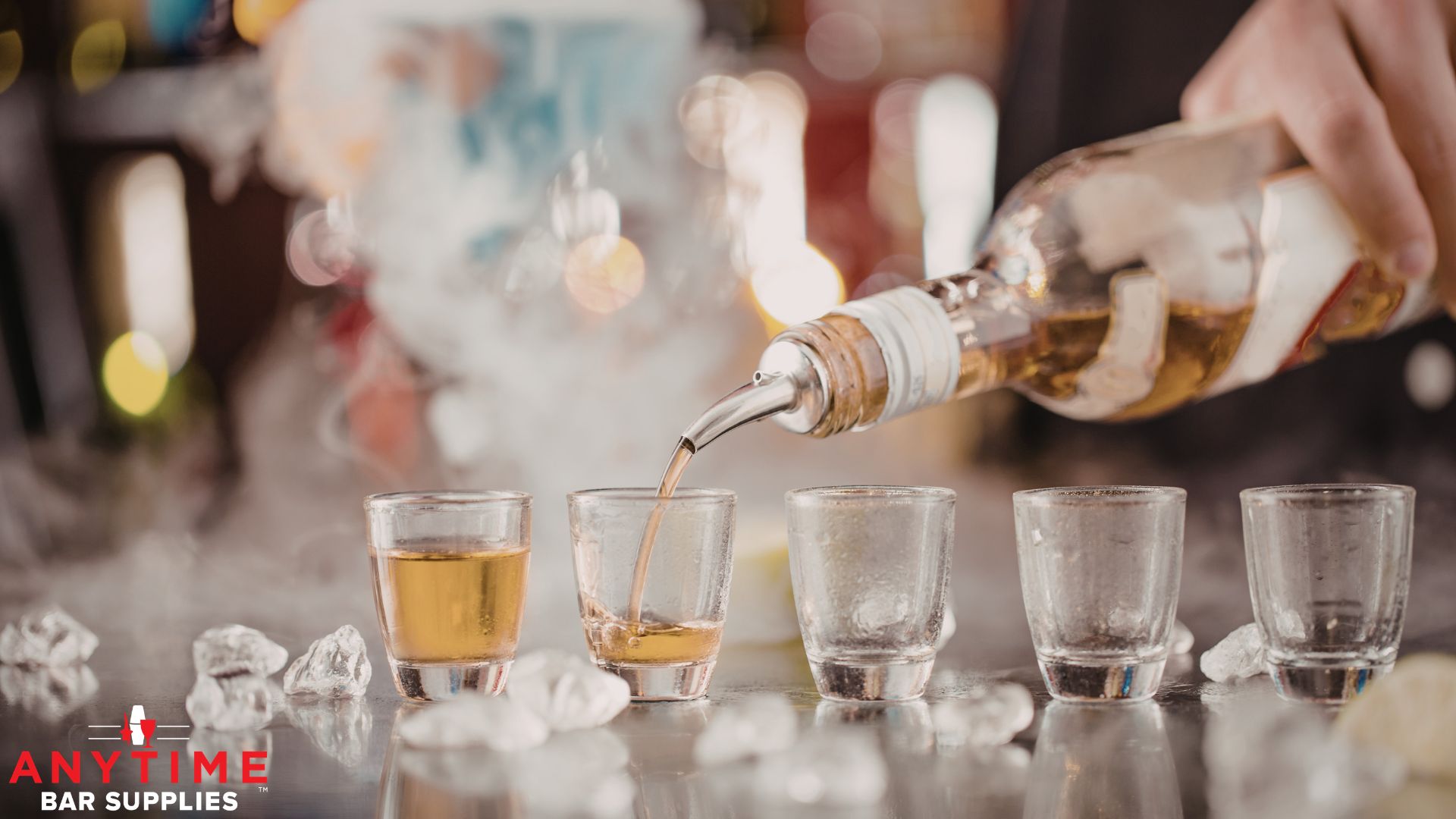
A standard bottle opening is too wide for controlled pouring. A professional speed pourer (also known as a “free pourer”) narrows the stream and introduces an air vent. This vent allows air to enter the bottle as liquid leaves, preventing the “glugging” effect and ensuring a consistent, laminar flow.
The Mechanics of the Grip
To master the pour, you must first master the bottle.
- The Neck Grip: Grasp the bottle firmly by the neck, near the base of the pourer.
- The Index Finger: Extend your index finger to rest on the base of the pourer (but never over the air vent).
- The “V” Motion: When pouring, bring the bottle up and over in a smooth “V” or “arc” shape. This ensures the liquid hits the spout with immediate, consistent pressure.
The Secret of the Count
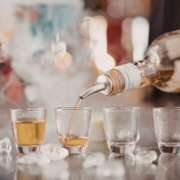
Most professional bartenders don’t use a jigger during a massive rush; they use a “count.” While every pourer is slightly different, the industry standard is the four-count method for a 1.5 oz (45ml) pour:
- 1: The start of the flow.
- 2: Mid-pour.
- 3: Mid-pour.
- 4: The “cut” (a sharp snap of the wrist to stop the flow).
Pro Tip: Practice with water and a jigger. Pour until you can consistently hit 1.5 oz exactly when you reach the number four.
 Maintenance: Keeping the Flow Consistent
 Maintenance: Keeping the Flow Consistent
A sticky pourer is an inaccurate pourer. Sugar-heavy liqueurs like Grenadine or Triple Sec can clog the air vent of your pour spouts.
- Nightly Soaks: Soak your pourers in warm, soapy water at the end of every shift.
- Visual Inspection: Ensure the air tube is clear of debris.
- Replacement: If the rubber cork becomes brittle or loose, replace it immediately to avoid leaks.
Professional Liquor Pourers
Mastering the speed pour is a rite of passage for any serious bartender. By combining high-quality equipment with a disciplined counting technique, you’ll increase your efficiency, reduce your pour cost, and provide a better experience for your guests.
FAQ
Q: Are all speed pourers the same?
A: No. Metal pourers offer the most consistent flow for spirits, while “screened” pourers are better for outdoor bars to keep out fruit flies. Plastic pourers are often used for color-coding but can be less durable.
Q: How do I stop the pour without dripping?
A: Use a “snap” or a “twist” at the end of your count. By quickly tilting the bottle back up while giving it a slight rotation, you break the surface tension and prevent drips.
Q: Do pourers fit all bottles?
A: Most professional pourers are designed to fit standard 750ml and 1L bottles. However, wide-mouth bottles (like some Tequila brands) may require specialized, larger cork pourers.