How to Measure Accurate Liquor Pour Volumes Every Shift
In the bar and hospitality industry, profit margins live and die in the pour. A fraction of an ounce spilled or overpoured might seem insignificant on a single cocktail, but across dozens of shifts, those hidden losses add up to thousands of dollars in lost revenue. Learning how to measure accurate liquor pour volumes every shift is one of the most effective ways to control inventory costs, maintain drink consistency, and improve your overall profitability.
1. Standardize Your Bar Tools
The foundation of accurate pour measurement begins with quality equipment. Relying on uncalibrated tools or inconsistent pourers creates immediate variance across shifts.
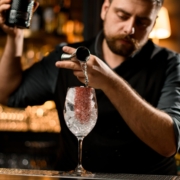
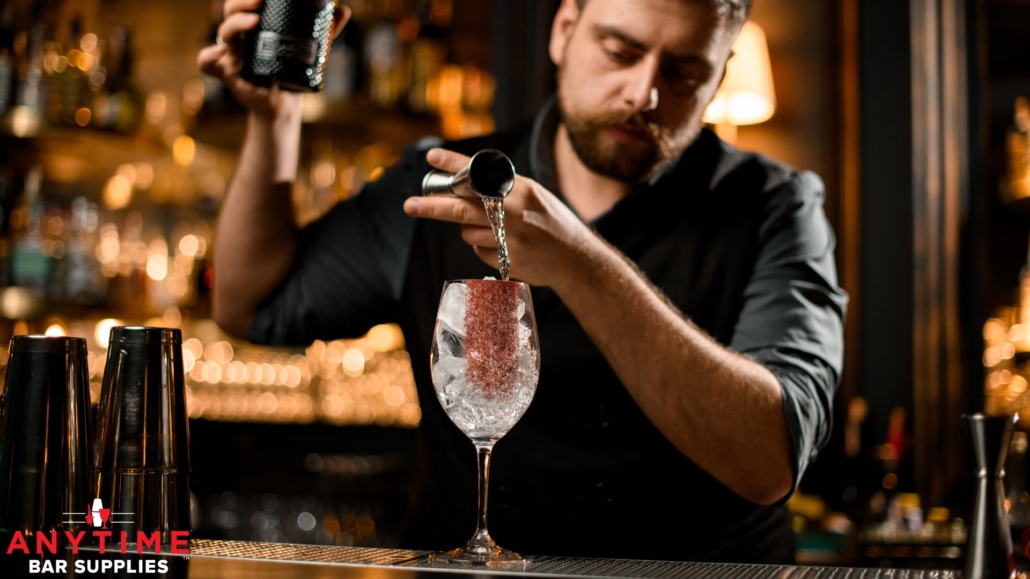
- Precision Japanese Jiggers: Standard double-sided jiggers provide clear internal graduation marks, making it easy for bartenders to measure 0.25 oz, 0.5 oz, 0.75 oz, 1.5 oz, and 2 oz increments accurately.
- Measured Pour Spouts: Precision-measured pour tops automatically cut off liquor flow at specific volumes (e.g., 1 oz or 1.5 oz), reducing human error during busy rushes.
- Consistent Speed Pours: If using free-pour spouts, ensure every station uses the exact same brand and model to maintain uniform flow rates across all spirits.
2. Implement Routine Count Training & Calibration Tests
Free-pouring speed and accuracy rely on muscle memory, but muscle memory drifts over time. Routine calibration tests keep your bartending team sharp.
- The Water Pour Test: Before every shift, have bartenders test their pour counts using water bottles and a calibrated tube or digital scale.
- Four-Count Rhythm Standard: Train staff on a standard internal count (e.g., a 4-count for a standard 1.5 oz pour using a 285-50 speed spout) so everyone operates on the same baseline.
- Temperature Sensitivity: Remind staff that cold, viscous liquids (like chilled liqueurs) pour slower than room-temperature spirits, requiring adjusted counts.
3. Track Inventory and Conduct Spot Audits
Measurement accuracy extends beyond the jigger—it requires consistent tracking to catch discrepancies early.
- Weighing vs. Visual Estimations: Use digital fluid scales during end-of-shift inventory counts rather than visually estimating bottle levels (“eyeballing”).
- Compare Sales POS Data to Liquid Usage: Cross-reference actual fluid ounces depleted against Point of Sale (POS) ring-ins to identify overpouring, unrecorded comps, or spillage.
- Shift Log Tracking: Keep a dedicated logbook or digital record of accidental spills or remakes so lost volume is properly accounted for.

FAQ
What is the most accurate way to measure liquor pour volume?
Using a calibrated double-sided jigger with clear internal marking lines is the most accurate method for measuring liquor pour volume in a commercial bar environment.
How much product loss is normal for a commercial bar?
An average unmonitored bar loses 15% to 20% of its liquor inventory to overpouring and spills. With strict measurement protocols and staff training, target variance can drop below 3% to 5%.
Should bars use measured pour spouts or free pouring with jiggers?
Jiggers offer superior flexibility for craft cocktails requiring precise fractional ounces, while measured pour spouts provide maximum speed and consistency in high-volume, standard drink service settings.